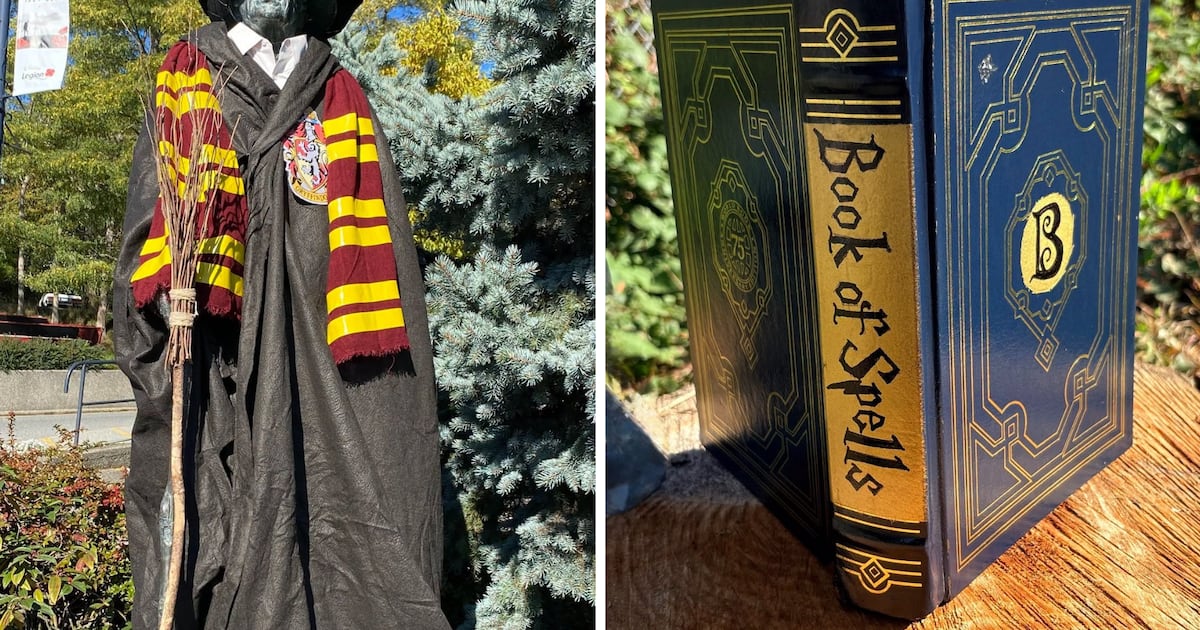
A small town in British Columbia found itself at the center of an unexpected controversy after issuing an apology for a Harry Potter-themed Halloween display. The incident has sparked a broader debate about the separation of art from its creator, the impact of public complaints, and the allocation of societal attention.
The Apology and Its Aftermath
The town’s decision to apologize came after a single complaint was lodged against the display, which featured characters and themes from the beloved Harry Potter series. While the display was intended to celebrate the magic of Halloween and delight locals, it inadvertently became a flashpoint for discussions about the author, J.K. Rowling, and her controversial views on transgender rights.
One commenter succinctly captured the frustration many felt: 'Some people have too much time on their hands to make up new ways to be offended.' Others questioned the necessity of the apology, pointing out that the books and movies remain widely accessible and enjoyed by millions. 'One person complained. Meanwhile, the books are widely available, movies online. It's silly,' remarked another.
Art vs. Artist: A Recurring Debate
The controversy reignited a familiar debate: Can one separate the art from the artist? While some argued that Rowling’s views should not overshadow the cultural impact of her work, others emphasized that supporting her creations indirectly funds her activism against transgender rights. 'The stories she created are absolutely amazing though. It’s ok to love the art and not like the artist,' one person noted, reflecting a common sentiment.
Another commenter drew a historical parallel, albeit with a humorous twist: 'Mozart once drank wine out of someone else’s asshole. He was the celebrity party boy of his generation.' This comparison, while lighthearted, underscored the idea that artists’ personal lives and beliefs have long been divorced from their contributions to culture.
Societal Priorities in Question
The incident also prompted reflections on societal priorities. Amid pressing issues like healthcare, education, and drug crises, many questioned why a Halloween display warranted such attention. 'We have a crumbling health and education system, small towns overrun with drugs and deaths, and this is what makes news,' one person lamented.
Another commenter added, 'Just because you don’t want to see a crisis does not mean that it’s not there,' highlighting the tension between addressing immediate concerns and engaging in cultural debates.
Moving Forward
Despite the controversy, many expressed hope that the focus could return to the joy and creativity the display was meant to inspire. 'The only ghoul here is the one sucking the fun out of a fun community display,' quipped one observer, praising the park workers who designed the exhibit.
As the dust settles, the incident serves as a reminder of the complexities of navigating art, politics, and public sentiment in an increasingly polarized world. Whether one agrees with the apology or not, the conversation it sparked is a testament to the enduring power of storytelling—and the challenges of separating it from its creator.

